Passing the baton in the diabetes portfolio

I have been managing the NCD portfolio —specifically Diabetes, Hypertension (and Asthma) — for at least 4 years now. With my retirement plan in place, I think it is time to gradually withdraw myself from high impact responsibilities.

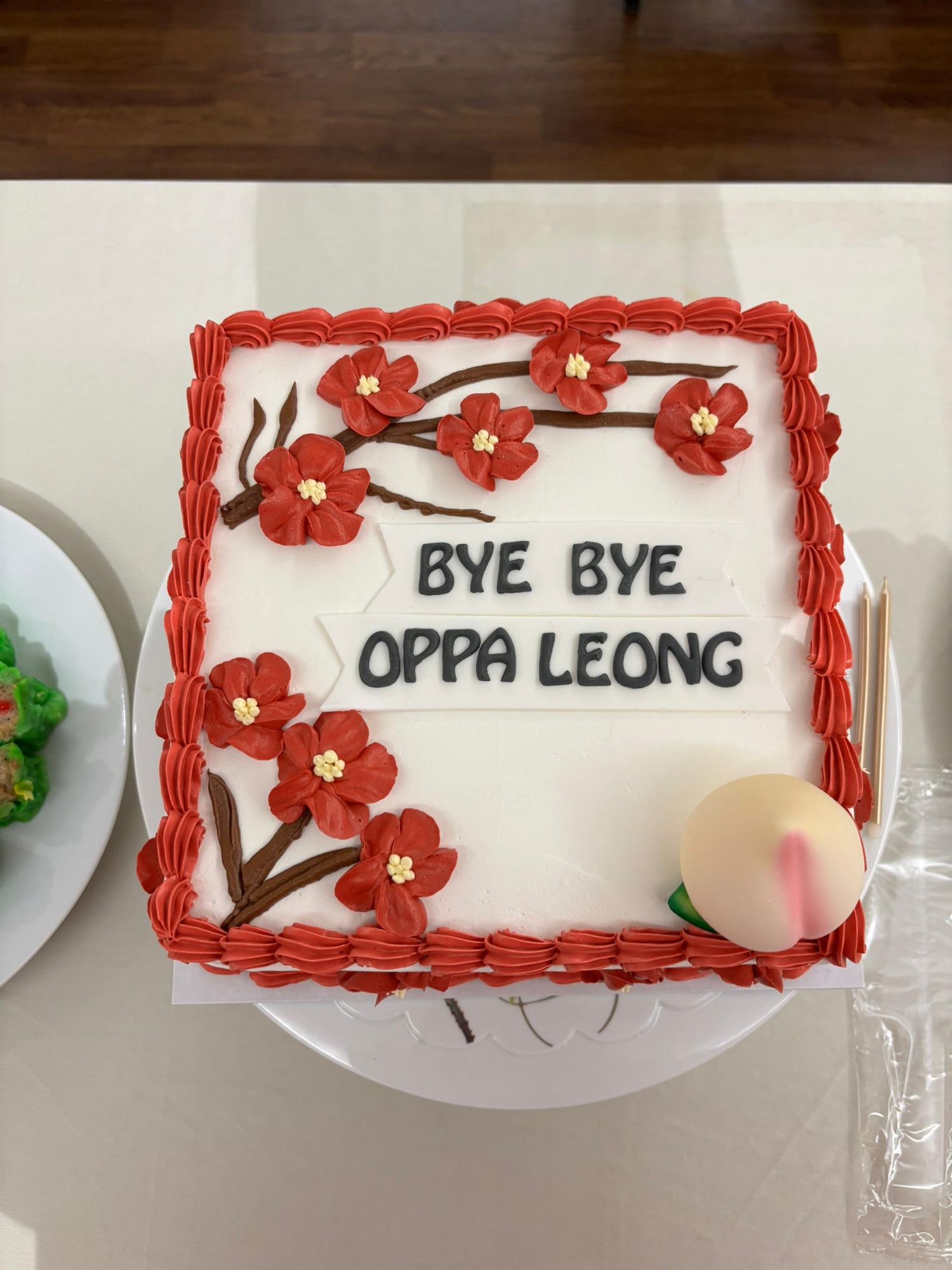
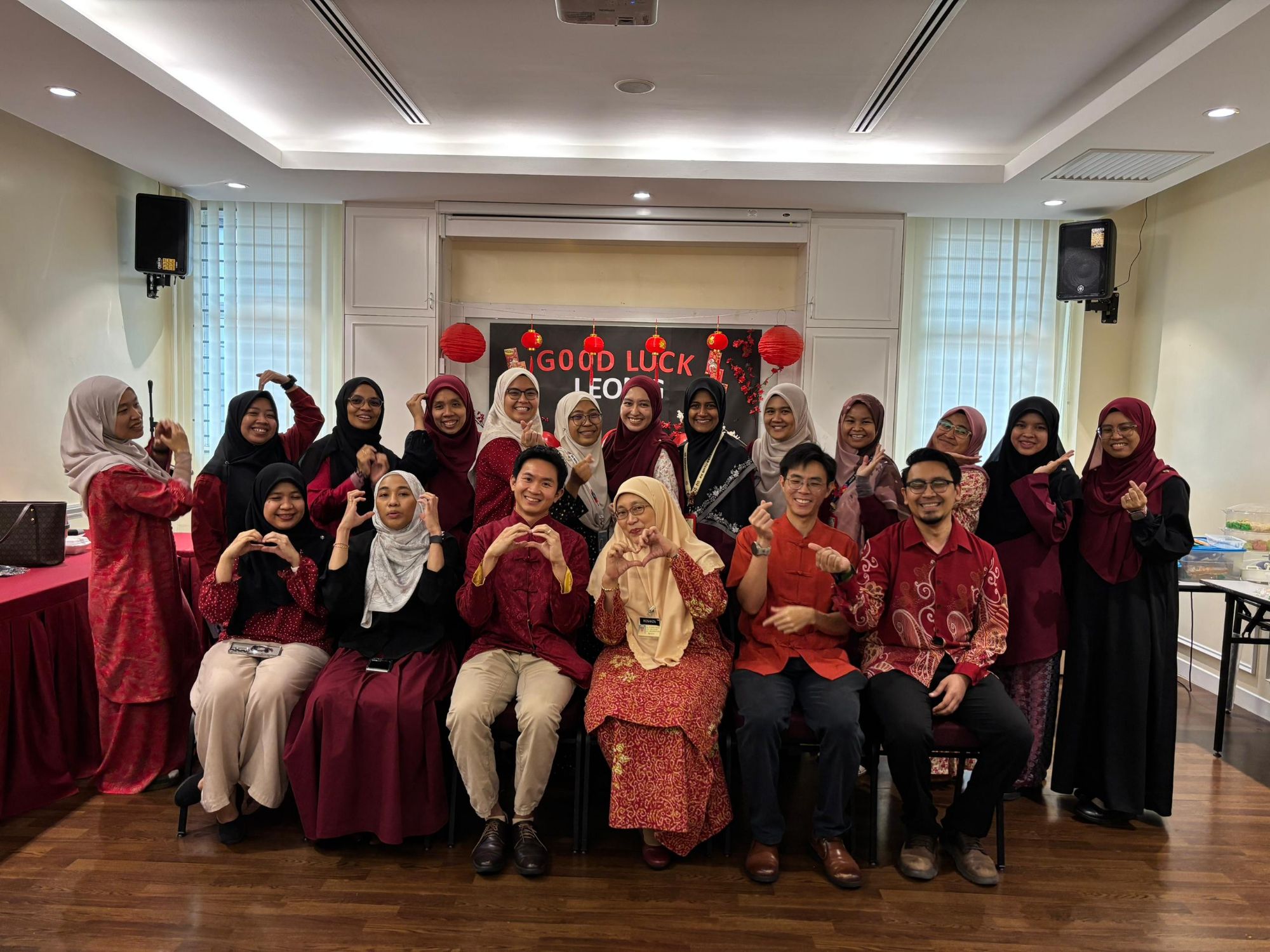
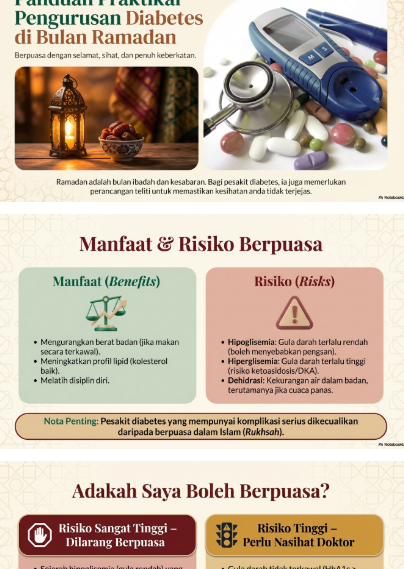
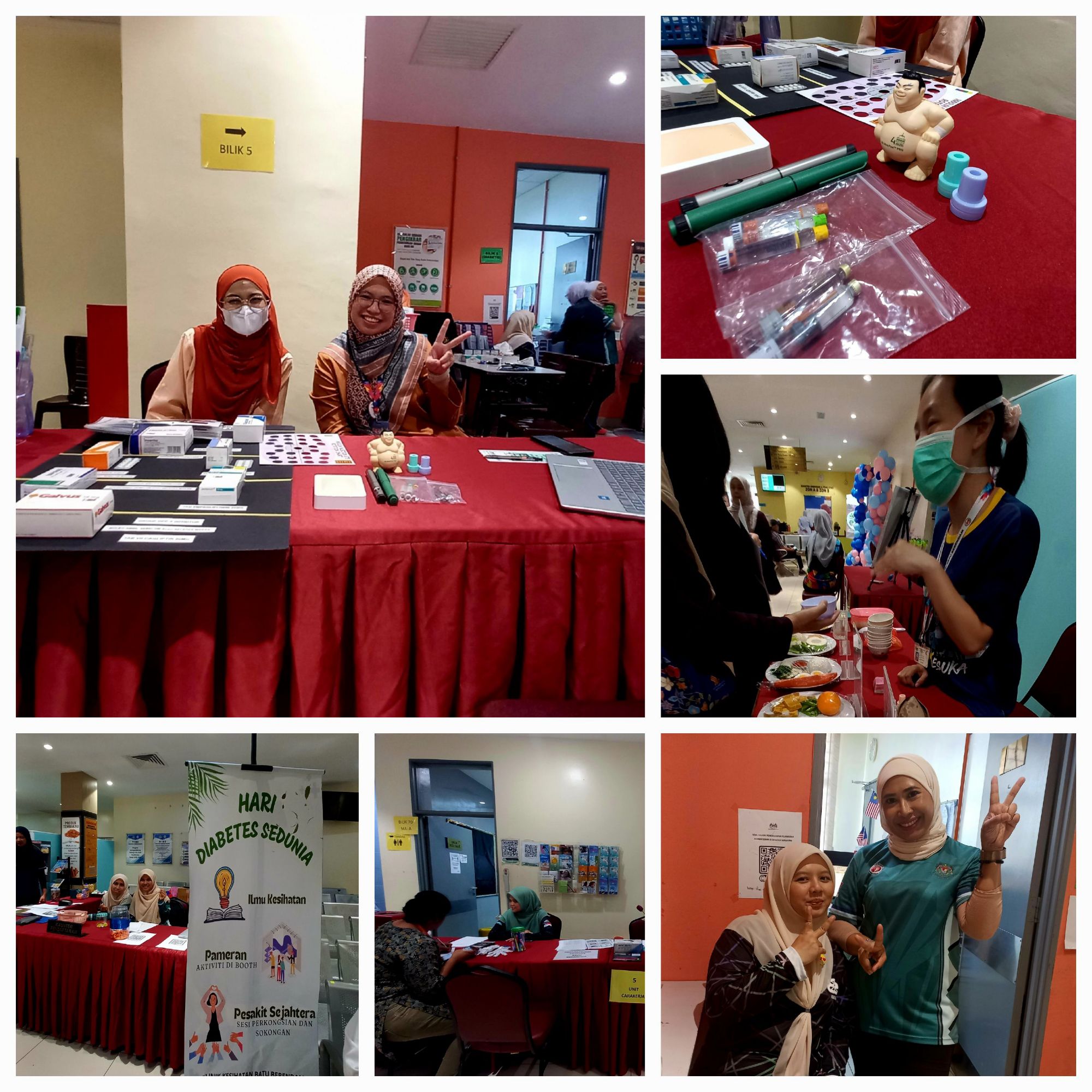
The Diabetes Day celebration is held annually. This year, my colleague, Ashiqin, is taking the reins. She did the paperwork, organised meetings and delegated tasks. She is a ball of sunshine radiating enthusiasm everywhere. I am glad that everything went well. I can now pass over the baton in 2026.

Next in line, the HIV portfolio.

Doctor’s Day celebration in 2025

In Malaysia, it is celebrated on the 10th of October. This year, the medical officers received a salad spinner each from our boss. It was one of those things that we all wanted. Like seriously, no sarcasm here.

We conducted a simple cake-cutting ceremony during the monthly morning assembly. The cake had one half made of chocolate, and the other half was vanilla with strawberry filling. It was delicious.

the back benchers

Workplace annual dinner – Cak Cak Cekuk

The last time we had some sort of annual event at the clinic was probably more than 3 years ago. Instead of sports day, this time we had dinner at a nearby hotel. The medical officers were expected to perform the song ‘Cak cak cekuk’ by Wani Kyrie. This was the first time I heard of the song, and immediately I loved the catchy tune. You might want to hear the original version on YouTube.

I thought I had enough time to memorise the song. I ended up singing the lyrics on my phone. Ha ha.

Anyway, we really enjoyed performing it for everyone. Here’s a snippet of it. Most are moms and dads. We tried our best. We hope our kids were proud of us!

Klinik Komuniti life. A temporary replacement.

Recently, I volunteered to cover a Klinik Komuniti (KKOM) because the medical officer in charge was on a long medical leave due to an unexpected situation. I sincerely wish him a full and speedy recovery. I chose to take on this task because, compared to some of my colleagues, I feel that I have it a little easier when it comes to balancing work and family responsibilities. I’m fortunate to have strong support. My husband and his family are always hands-on in helping care not only for our kids but also for my niece and nephews. Not everyone is as lucky as some have to shoulder much heavier burdens in their daily lives.

To be honest, working at KKOM isn’t something I’d choose to do permanently as a medical officer. The working hours just don’t align well with my lifestyle. Given my current schedule and responsibilities, committing to KKOM full-time would feel like an ‘injustice’ to both my family and personal life.

KKOM operates from 12:00 PM to 9:00 PM, with a break from 6:45 PM to 7:45 PM. This setup means I need to fit in my prayers and meals whenever I can. It’s manageable for now, especially since the patient volume isn’t as heavy as in a regular Klinik Kesihatan. Despite the given time, I do get slightly miserable when patients choose to come 5 minutes before closing. 5 minutes is just not enough time to have a patient registered, take their vital signs, examine and dispense medication. When this happens, patients are counselled on good clinical practice and advised to come back the next day or visit the ER on urgent matters. While patients may argue, ‘I just want to take Panadol,‘ then by all means, just pop into 7-Eleven and purchase a strip. Health facilities are not convenience stores.

Some might say, “At least you have the morning free before work starts.” But the truth is, I still have to wake up early for Subuh and get ready for the day. On days when my husband isn’t around, that also includes sending my daughter to school. One upside is that I get to enjoy a peaceful brisk walk along the river under the morning sun. However, running errands like grocery shopping isn’t always convenient, since most shops only open at 10:00 AM, unless I go to Mydin. I do prefer Family Store, though.

By 11:00 AM, I need to be ready to leave for KKOM, ideally with a home-cooked meal in hand. Ordering through Grab just doesn’t sit right with me. Imagine a room full of waiting patients, and your food arrives. People might judge, “Masa kerja sibuk nak makan. Gaji buta. Bla bla bla.” Especially since there’s only one medical officer at the clinic, everything is under scrutiny.

Once KKOM closes at 9:00 PM, I begin my journey home. Thankfully, Melaka is a small state, so even though some stretches of the road and highway are poorly lit, the drive isn’t too long. When I get home, I unload my food containers, take a shower, perform Isyak, and try to wind down for the night. Sadly, my daughter is usually already asleep by then, and that stings a little, knowing I only get to see her awake in the morning. If I had to do this permanently, it would mean only one real interaction with her each day, unless we lived near KKOM and I could see her during the break.

So yes, with my current commitments and lifestyle, KKOM feels emotionally and physically taxing. I’m grateful I’m only covering it temporarily. While I understand that KKOM was established to provide medical care outside of conventional working hours, I can’t help but wish that employers would take a more proactive role in supporting healthcare access. Too often, I hear patients say they couldn’t seek treatment earlier because of work constraints. If employers truly valued health as a vital asset, they would treat it as something to be protected, not sidelined.

There should be dedicated, protected time for employees to attend medical appointments without fear of being penalised or even losing their jobs. If such a policy were embraced widely, the need for after-hours clinics like KKOM would diminish. Common conditions like the flu or gastric reflux could be addressed during regular clinic hours, simply because employees would feel safe and supported in seeking care when they need it most. Healthcare needs the participation of all, not just MOH.

Professionalism and Adab

Professionalism

Professionalism encompasses a set of behaviours, attitudes, and values expected in a professional environment. It involves a commitment to excellence, ethical practices, accountability, and respect for others. Professionals demonstrate integrity, reliability, and a strong work ethic, which are vital for fostering trust with colleagues, clients, and stakeholders. Moreover, professionalism often involves adhering to industry standards and continuously improving one’s skills and knowledge.

The Concept of ‘Adab’

In many cultures, particularly within the Islamic tradition, the term ‘adab’ refers to a code of conduct and etiquette that embodies respect, politeness, and good manners. It extends beyond mere social niceties and encompasses ethical behaviour and moral responsibility. ‘Adab’ encourages individuals to act with dignity, show kindness, and maintain a sense of decorum in their interactions with others.

The Intersection of Professionalism and ‘Adab’

The principles of professionalism and ‘adab’ intersect significantly, as both emphasise respect and ethical behaviour:

  1. Respect for Others: Both concepts advocate for treating others with respect. In a professional setting, this means valuing colleagues’ opinions, being considerate of their time, and fostering a collaborative environment.
  2. Integrity and Accountability: Professionalism calls for honesty and accountability, which aligns with the ethical underpinnings of ‘adab’. Upholding one’s commitments and being transparent in actions are essential in both realms.
  3. Continuous Improvement: Professionalism advocates ongoing development and professional growth. ‘Adab’ also encourages individuals to seek knowledge and refine their skills, recognizing that personal development enhances one’s conduct.
  4. Positive Communication: Clear and respectful communication is pivotal in both professionalism and ‘adab’. This involves active listening and responding thoughtfully, contributing to a constructive atmosphere.

Recently I got to witness how professionalism was literally thrown out of the window.

  • A calculative job transfer without the knowledge of the superior at the workplace. To pull that off, you would need high-ranking connections. While it is stealthy, I do not consider it a genius move. Instead, as a future employer, I would be very careful because these are people who will abandon ship when the going gets tough. I feel that despite the troubles you had at the workplace, you should always leave with dignity. It’s fine to trample over a work colleague, leaving behind tasks that are not passover and all, but the nerve to not inform your superior is something I cannot brain. Quitting gives off a different vibe. People would actually sympathise with you but to apply for a transfer on a different platform without the knowledge of others? It brings on a different feeling altogether.
  • Playing down on the issue by mouthing other people’s transfers who applied it through appropriate channels.
  • Dragging down other colleagues who knew about the transfer. Making them look like an accomplice to a career suicide. Now, it is hard to not see them in a positive light.
  • Thanks to this employment move, we are expecting the boss to be pissed off for the whole year.